Are you currently interested in help and advice concerning Water Heater Maintenance Tips You Can't Afford to Forget?
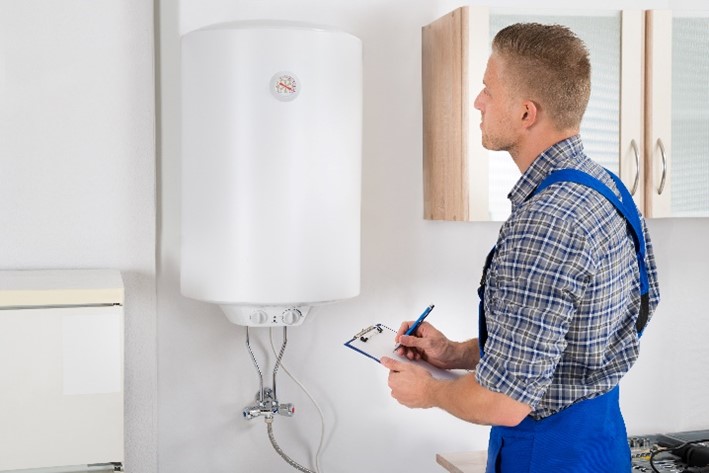
Hot water is essential for everyday comfort, whether it's for a refreshing shower or cleaning meals. To guarantee your warm water system runs successfully and lasts longer, routine upkeep is essential. This article gives useful pointers and insights on exactly how to keep your home's hot water system to stay clear of disruptions and pricey repair work.
Intro
Maintaining your home's warm water system may appear challenging, however with a couple of easy actions, you can ensure it operates efficiently for years to come. This guide covers whatever from recognizing your warm water system to do it yourself upkeep pointers and knowing when to contact professional help.
Significance of Preserving Your Warm Water System
Routine upkeep not just prolongs the life expectancy of your hot water system however additionally guarantees it operates effectively. Disregarding maintenance can cause lowered efficiency, higher energy expenses, and also premature failing of the system.
Signs Your Hot Water System Demands Maintenance
Knowing when your warm water system requires focus can protect against major problems. Watch out for indications such as irregular water temperature level, unusual sounds from the heating system, or rusty water.
Comprehending Your Warm Water System
Prior to diving into maintenance tasks, it's practical to recognize the basic components of your hot water system. Normally, this consists of the hot water heater itself, pipelines, anode poles, and temperature level controls.
Monthly Maintenance Tasks
Normal month-to-month checks can help catch minor issues before they intensify.
Purging the Hot Water Heater
Purging your hot water heater eliminates sediment accumulation, enhancing performance and lengthening its life.
Monitoring and Changing Anode Rods
Anode poles avoid rust inside the storage tank. Examining and replacing them when worn out is crucial.
Examining and Adjusting Temperature Settings
Adjusting the temperature setups makes sure ideal efficiency and security.
Do It Yourself Tips for Maintenance
You can execute numerous upkeep tasks on your own to maintain your warm water system in leading condition.
Checking for Leaks
On a regular basis evaluate pipelines and connections for leaks, as these can lead to water damage and higher bills.
Checking Pressure Alleviation Valves
Examining the pressure safety valve ensures it functions correctly and avoids excessive pressure build-up.
Insulating Pipes
Insulating hot water pipes reduces heat loss and can save energy.
When to Call a Professional
While do it yourself upkeep is beneficial, some issues require specialist expertise.
Complex Concerns Calling For Expert Help
Instances consist of major leaks, electric troubles, or if your water heater is regularly underperforming.
Regular Specialist Upkeep Perks
Professional maintenance can consist of detailed examinations, tune-ups, and ensuring conformity with safety and security criteria.
Final thought
Routine maintenance of your home's warm water system is crucial for performance, durability, and cost financial savings. By adhering to these suggestions and recognizing when to look for professional aid, you can ensure a trusted supply of hot water without unanticipated interruptions.
Water Heater Maintenance Tips
Test the TPR Valve
Shut off the power and the cold-water supply valve. Place a bucket under the pipe connected to the temperature-pressure-release (TPR) valve on the top or side of the tank. (This valve opens if the tank pressure gets too high.) Lift the valve’s tab to let some water out, then let go. If water keeps flowing, drain the tank partway, unscrew the old valve with a pipe wrench, and install a new one. Check the Anode Rod
Put a hose to the tank’s drain cock and let out a few gallons of water. Now fit a 1 1/16-inch socket onto the rod’s hex head on top of the heater (or under its top plate) and unscrew the rod. If it’s less than ½ inch thick or coated with calcium, buy a new one, wrap its threads with Teflon tape, put it back in the tank, and tighten securely. Use this segmented rod if headroom above the tank is limited. Drain the Tank and Wash Out Sediment
Drain the remaining water in the tank into the bucket, then stir up the sediment on the tank’s bottom by briefly opening the cold-water supply valve. Drain and repeat until clean water comes out of the hose. Close the drain cock, refill the tank, and turn its power back on. Adjust the Temperature
Find the temperature dial on the side of the tank and unscrew its cover. Adjust the dial to 120 degrees using a flathead screwdriver. For every 10 degrees the temperature is lowered, you can expect to save up to 5 percent in energy costs. Turn the water heater off or the thermostat down to its lowest setting if you plan to be away from home for more than three days. Insulate the Pipes
Buy some self-sticking 3/8-inch-thick foam pipe insulation that matches the pipes’ diameter. Slide the foam over the hot-and cold-water pipes as far as you can reach. Insulating the cold-water pipe prevents condensation in summer. Peel the tape and squeeze the insulation closed. If the pipe is 6 inches or less from the flue, cover it with 1-inch-thick unfaced fiberglass pipe wrap. https://www.thisoldhouse.com/plumbing/21016402/how-to-maintain-a-water-heater
As a serious reader on Tips on Maintaining a Water Heater, I assumed sharing that piece of content was appropriate. Sharing is good. You just don't know, you might be doing someone a favor. Thanks for your time. Don't forget to check up our site back soon.
Booking